
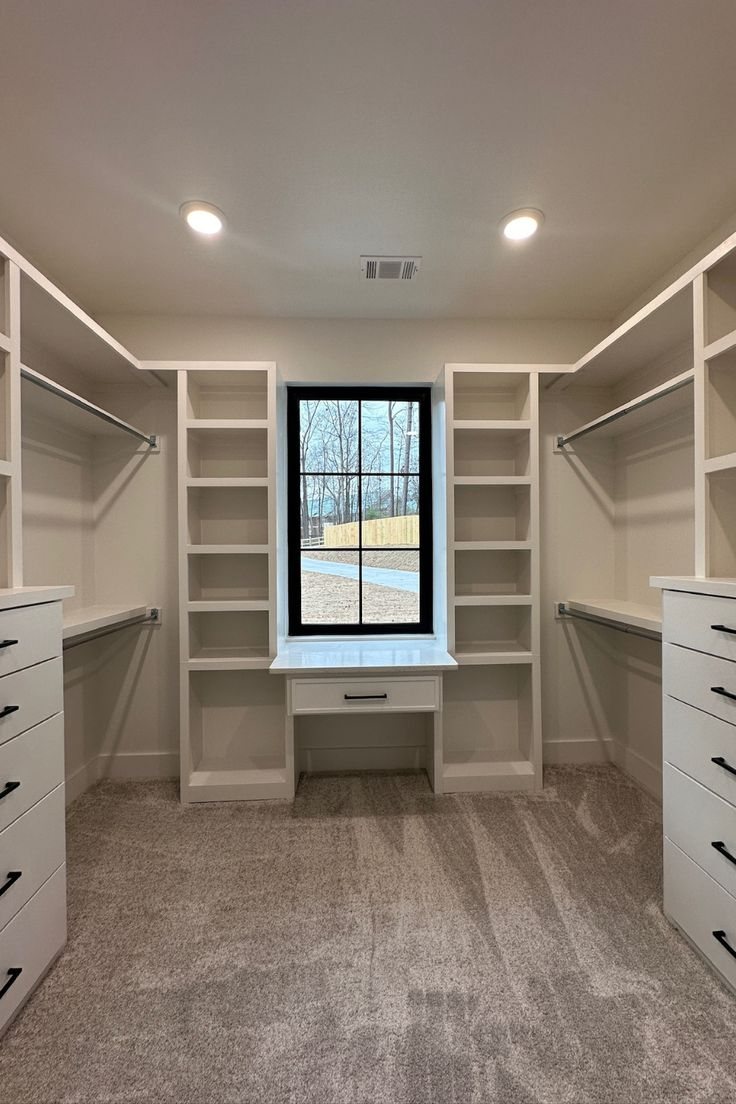
Remodeling through a Minnesota winter
Winter does not stop remodeling here. It changes which projects make sense, how the calendar fills, and what happens to anything on the outside of the walls.
Winter Is Indoor Season
People sometimes assume remodeling shuts down when the snow flies. It does not. Interior work happens year-round in Minnesota, and for many projects winter is the better season. The crew is inside, the work area is heated, and nothing waits on rain.
What winter changes is the mix. Projects that live inside the walls, like basements, bathrooms and kitchens, carry on normally. Projects that depend on digging, pouring concrete or closing up an exterior wall get planned around the weather. Knowing which is which is most of what it takes to plan a winter remodel well.
Projects That Suit the Cold Months
Basement finishing is the classic winter project. Framing, insulation, wiring, plumbing, drywall, flooring and trim all happen indoors. Winter is also when a basement tells you the most about itself: cold corners, drafty rim joists and condensation on the foundation wall show up in January, which points straight to where insulation and air sealing matter. Our guide to finishing a basement in Minnesota covers the details.
Bathrooms work well too. A hall bath or a primary bath commonly runs about three to six weeks of construction, entirely indoors. Kitchens typically run about six to ten weeks, and a winter kitchen means you are cooking on a hot plate when you would be indoors anyway, rather than giving up summer grilling season to it.
Larger interior projects fit too. A whole-home remodel is really several projects sequenced together, commonly running four to nine months, and starting the interior phases in winter lets the work move room by room while the weather stays outside.
Main-floor changes fit the season as well. Opening a wall between the kitchen and dining room, adding a main-floor laundry, or building in a curbless shower and grab bar blocking for the years ahead are all interior projects. Our aging-in-place guide covers that last group.
What Happens to Exterior Work
Excavation and concrete work are possible year-round, but frozen ground costs more to work and adds steps. That matters because every heated addition sits on footings below the frost line. Minnesota Rules 1303.1600 sets that minimum at three and a half feet in the southern zone, which includes Dakota and Scott counties, unless a soils engineer determines otherwise. Getting there through frozen soil is slower and more expensive than in May.
So winter changes the sequence rather than stopping the work. On additions, the goal is to get the shell framed, roofed and dried in ahead of deep winter, so interior work carries through the cold months inside a protected site. A new egress window for a basement bedroom needs excavation outside the foundation, so that one step is timed with the weather while the rest of the basement keeps moving.
Anything else that opens the house to the outside, like new window openings or reworking an exterior wall, gets planned with the weather in mind. When a project is mostly exterior, the practical answer is often to do the design and permits now and build when the ground thaws.
The Scheduling Advantage
Spring and early summer are the busiest stretch for remodeling in the south metro. Winter is often an easier time to get on a schedule, both for construction and for the in-home consultation that starts the process.
The planning half of a project moves well in winter, too. Our Pre-Construction Services Agreement produces permit-ready floor plans, coordinated selections, a detailed investment cost, a progress payment schedule and an estimated construction time frame. Selections for cabinetry, tile, fixtures and flooring get made at the showrooms we work with, and decisions made in January are decisions that will not stop work in April.
That is why winter is the right time to plan a spring addition. If that is your project, our guide to planning a spring addition now counts the steps backward from a spring start.
Holiday Timing
The holidays are the one part of winter that needs real planning. If you are hosting Thanksgiving or a December gathering, count backward from that date before anything gets torn out. A kitchen that is mid-demolition the week of a holiday is a hard week for everyone.
The honest version is that the start date depends on the planning half: the consultation, preconstruction, permits and material lead times. Cabinetry is usually the item that sets a kitchen's start date. Our timeline guide walks through each phase, and our contract treats schedule dates as estimates until a final schedule is set, because weather, material availability, permit timing and hidden conditions can move them.
In practice that leaves two good options. Plan and order before the holidays and start construction after, or start a project that will not take your kitchen or only bathroom out of service at the wrong moment. Tell us your dates at the consultation and we will build the plan around them.
Living Without a Kitchen in January
A winter kitchen remodel is very livable with a little setup. Most people put a temporary kitchen in a dining room or basement: the refrigerator, a microwave, a toaster oven or electric griddle, a coffee maker and a folding table. Paper plates and a utility or bathroom sink cover the rest.
Plan meals that need little cleanup, and plan a few nights out. If you have a slow cooker or an air fryer, this is their season. Our guide to living through a remodel covers dust, noise, work hours and the other day-to-day details.
Dust, Heat and a Closed-Up House
In winter the windows stay shut, so dust control matters more. We set floor protection, dust barriers, air scrubbers and HVAC register covers, and we clean up daily. Dust, noise and vibration come with remodeling and cannot be eliminated, but they can be contained.
Construction hours are 7am to 5pm Monday through Friday. Expect the entry to see more traffic than usual, and plan where snow, salt and deliveries will come in. Most homeowners stay in the house through a kitchen, bathroom or basement project.
A Good Season to Test for Radon
Winter is also the right time for a small task that pairs well with a remodel. The Minnesota Department of Health says short-term radon tests can be done any time of year, but the heating season is the best time to test. MDH also recommends testing before and after changes to the home, including finishing a basement, adding an addition, replacing windows or adding insulation.
The reason is the season itself. As MDH explains, Minnesota homes are closed up or heated most of the year, which can result in higher radon levels. A test before you start gives you a baseline, and a test after tells you whether anything changed.
How to Plan Around It
Start with the project type. If it is interior, winter is a strong season to build. If it is exterior or an addition, winter is a strong season to design, permit and order. Then put your fixed dates on the table, especially holidays and travel, and count backward through preconstruction and lead times.
For a sense of budget before you call, our remodeling cost guide lists 2026 ranges. When you are ready, request a free quote or call 952-846-8115 and we will lay out a winter plan for your house.
Answered.
Can you remodel during a Minnesota winter?
Which remodeling projects are best in winter?
Can an addition be built in winter?
Will a winter remodel make my house cold or dusty?
Can my kitchen be finished before the holidays?
More remodeling guides.
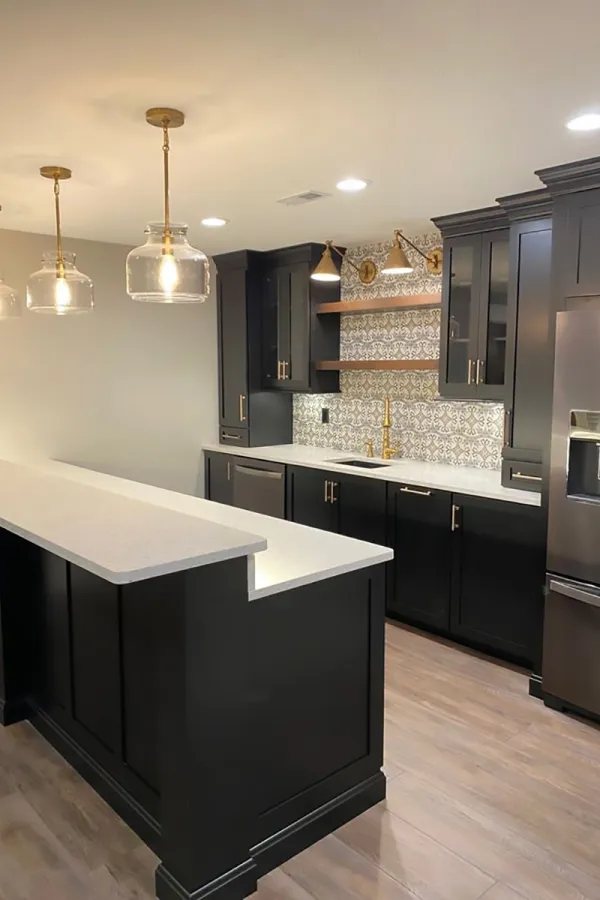
Finishing a Basement in Minnesota
Egress, moisture, insulation, permits and radon: the parts nobody sees, and the ones that matter.
Read the Guide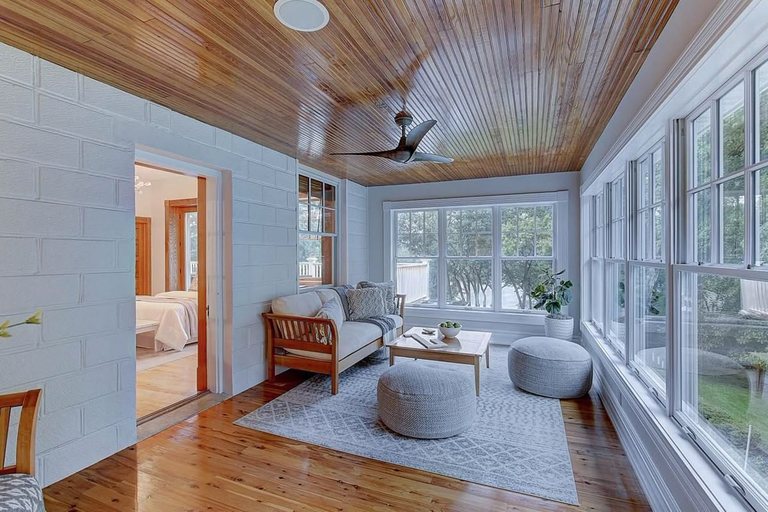
Planning a Spring Addition
Design, survey, structure, permits and window orders, counted backward from a spring start.
Read the Guide
How Long a Remodel Takes
Phase by phase, from the first call to the final walkthrough, and what makes a schedule slip.
Read the GuideProjects that suit the season
Interior work carries on all winter. Here is what each kind of project involves.

Ready to start your project?
Book a free consultation and let’s talk it through. No pressure, no obligation.